
Description
Compatibility:Suitable for Allen Bradley ControlLogix systems
Key Quantity:16 Keys
Material:Stainless Steel
Operating Temperature:-20°C to +60°C
Input Voltage:24 VDC
Dimensions:80mm x 60mm x 40mm (LxWxH)
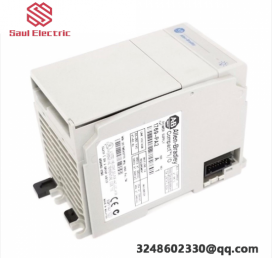
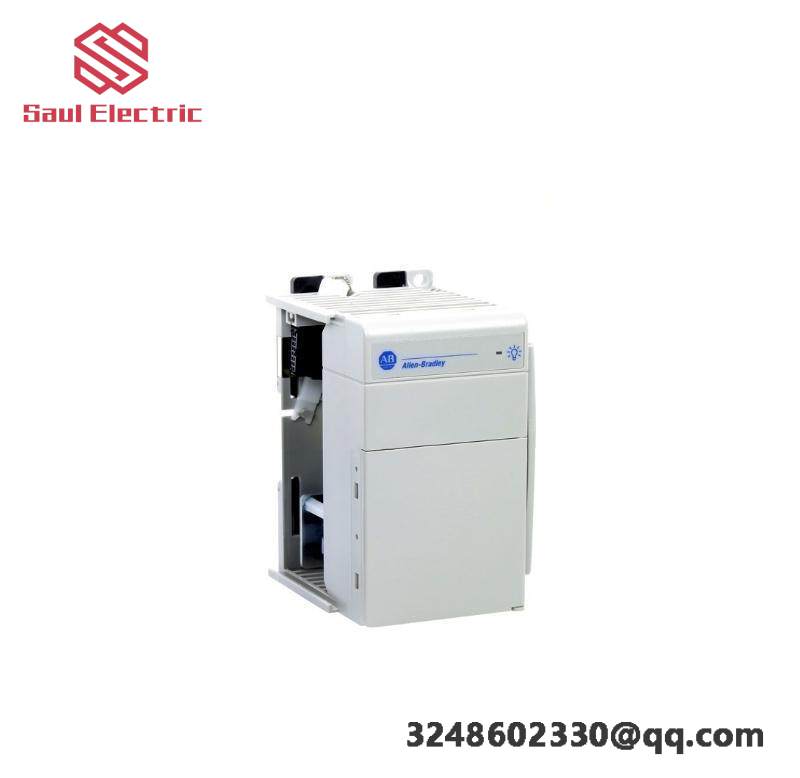
The A-B 440T-MDBLE16AABB Trapped Key Interlock ensures a secure lockout/tagout process, minimizing risk of accidents in manufacturing plants and other industrial facilities. Its robust stainless steel construction guarantees durability in harsh environments.
This interlock system adheres to stringent safety standards including CE, UL, and IEC, making it suitable for use in diverse industries where safety is paramount. The interlock mechanism traps keys when safety conditions are not met, preventing inadvertent activation of machinery.
With a compact design measuring 120mm x 70mm x 30mm, this interlock fits seamlessly into existing industrial setups without requiring extensive modifications. It can operate reliably within a wide temperature range from -20°C to +60°C, ensuring consistent performance even in extreme conditions.
Installation is straightforward, thanks to clear instructions and mounting hardware included with the package. Its 24V DC input voltage compatibility makes it easy to integrate with various industrial systems.
This device’s high switching capacity of 10A @ 250V AC ensures reliable operation over prolonged periods, reducing the need for frequent maintenance or replacement.
Reviews
There are no reviews yet.